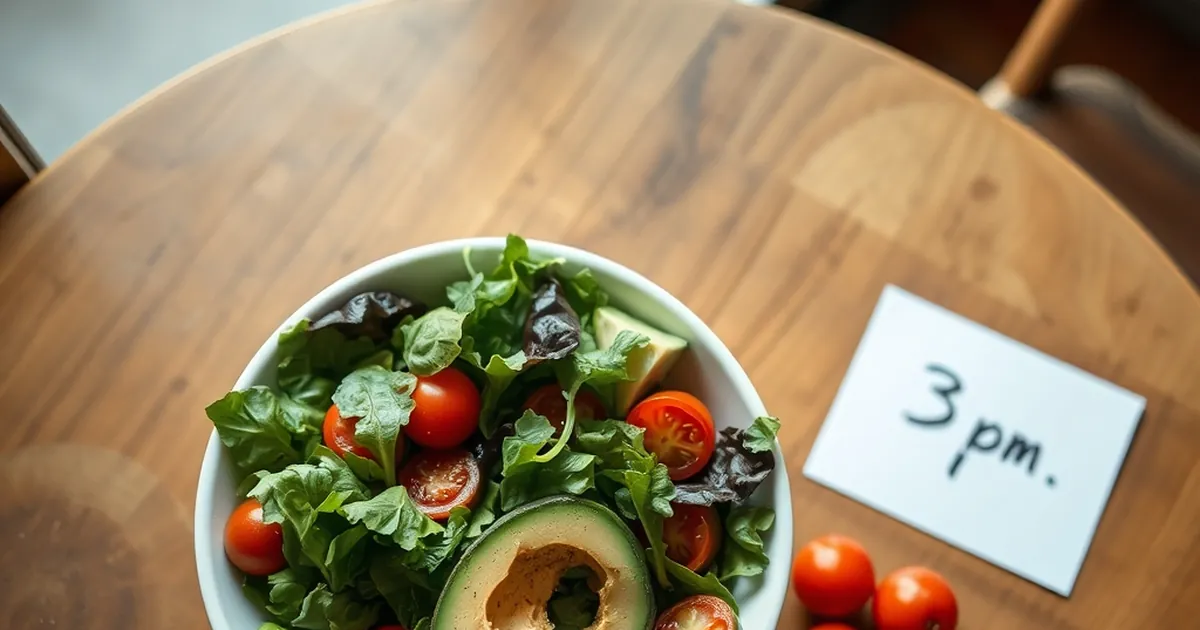
Ever notice how a bag of chips at 3 p.m. feels almost automatic? Your hand reaches into the vending machine before your brain has even logged the craving. But here’s the weird part: if you eat a specific, 200-calorie salad at 12:45, that same chip bag suddenly looks… unappealing. Not because you’re "full," but because you’ve hacked your own reward system. What if your lunch isn’t just fuel, but a behavioral intervention?
The Dopamine Shortcut You Didn’t Sign Up For
Let’s talk about why that 3 p.m. snack wins so often. It’s not hunger — it’s a classic variable-ratio reinforcement schedule. You don’t know which bite of the chips will deliver that perfect crunch-salt-fat hit, so you keep going. The brain loves unpredictability. That’s why a full bag disappears faster than a predictable, boring sandwich.
Your lunch salad, by contrast, is a fixed-ratio reward. You eat it, you feel satisfied, you move on. No suspense. But here’s the trick: what’s in that salad changes the math. A 200-calorie salad built with fiber (think chickpeas, not iceberg) and a touch of healthy fat (avocado, olive oil) triggers a slow glucose release. That keeps your blood sugar stable, which means your brain’s "I need energy NOW" alarm doesn’t fire at 2:47 p.m. You’re not fighting willpower; you’re pre-empting the panic signal.
Loss Aversion, But For Your Waistline
Behavioral economist Daniel Kahneman showed we hate losing twice as much as we enjoy gaining. That applies to snacks too. When you eat a heavy, carb-loaded lunch, your 3 p.m. slump feels like a loss of energy. Your brain says, "I’m down 20% battery — I need a quick charge." Chips are the fastest fix, so they win.
But a 200-calorie salad with lean protein (grilled chicken, tofu, or even a hard-boiled egg) flips that script. You never enter the deficit zone. Your energy curve stays flat, so there’s no "loss" to overcompensate for. You’re not resisting a craving; you’re making sure the craving never gets a foothold.
The "One-Bite" Experiment You Can Run Tomorrow
Here’s a concrete example that blew my mind. A 2019 study in Appetite had participants eat either a high-fiber, moderate-protein salad or a calorie-matched pasta salad 30 minutes before a snack buffet. The salad group ate 11% fewer total calories at the buffet — but more importantly, they reported less desire for salty snacks afterward. Not fullness — desire. Their brains had recalibrated what "rewarding" meant.
Try this: Tomorrow, make a salad with 3 cups of leafy greens, 1/2 cup chickpeas, 1/4 avocado, a sprinkle of sunflower seeds, and a lemon-tahini dressing. That’s roughly 200 calories. Eat it at 12:45. Then check in at 3:00.
What You’ll Notice (If You’re Honest)
- The chip bag doesn’t call to you. It’s just… there.
- You might crave something crunchy still — so grab celery or a few almonds. That’s not failure; that’s your brain seeking texture, not reward.
- Your energy feels steady, not spiky. You’re not bored; you’re just working.
Your Brain Is a Pattern-Matcher — Feed It Better Patterns
The real magic isn’t the salad itself. It’s that you’re teaching your brain a new association: afternoon doesn’t have to mean crash. Every day you eat that 200-calorie salad, you’re weakening the neural pathway that links 3 p.m. to "need chips." Over two weeks, your baseline craving intensity drops. You’re not white-knuckling; you’re rewiring.
So here’s your forward move: Don’t think about cutting snacks. Think about upgrading the trigger. Pre-make three of these salads on Sunday. Keep them front-and-center in your fridge. When Thursday’s 3 p.m. rolls around and you feel nothing — no pull toward the vending machine — that’s not discipline. That’s your brain’s new normal. And it tastes like lemon-tahini, not deprivation.