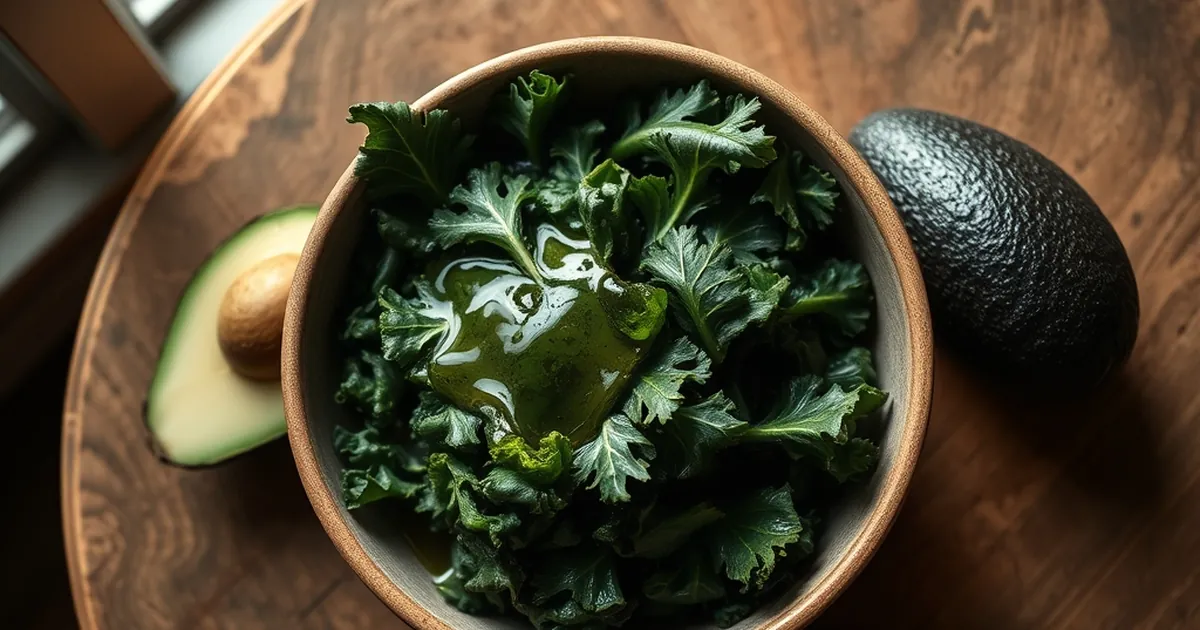
I used to think I hated kale. Then a friend tossed a handful of the curly stuff in a hot pan with a generous knob of butter, and suddenly I was eating it straight from the skillet like popcorn. Same vegetable, same bunch from the same farmers market. So what actually changed?
The answer is chemistry, and it's the reason some kale salads taste sweet while others make you wince.
Why Kale Tastes Bitter in the First Place
Kale belongs to the brassica family, alongside broccoli, Brussels sprouts, and cabbage. These plants defend themselves with compounds called glucosinolates, which break down into bitterness when the plant's cells get damaged — by chopping, chewing, or even a rough massage.
That bitterness isn't a flaw. It's a built-in pesticide. The plant makes those compounds to discourage bugs from eating it, and we happen to taste them acutely. Some of us are genetically more sensitive to bitter flavors than others, which explains why your friend shrugs at a raw kale salad while you're reaching for water.
Young, tender leaves carry fewer of these compounds. Big, mature leaves — especially the dinosaur or curly varieties sold in bunches — pack more. That's why baby kale costs more and tastes milder.
How Fat Tames the Bite
Here's the part that changed my cooking. The bitter compounds in kale are fat-soluble, not water-soluble. That means they dissolve in oil, butter, or cream, and once they're dissolved in fat, your tongue has a harder time registering them as bitter.
Think about how this plays out in real kitchens. A plain steamed kale side dish tastes sharp and grassy. Sauté that same kale in olive oil and finish it with a drizzle of tahini, and the edge softens noticeably. The fat isn't masking the bitterness with richness alone — it's physically pulling those compounds out of the leaf and into the coating on your palate.
The Massage Trick, Upgraded
If you make raw kale salads, you've probably heard about massaging the leaves with salt and lemon. That works by breaking down cell walls so the bitter compounds release. But here's the upgrade: add the olive oil before you massage, not after.
Rubbing oil into the leaves gives those fat-soluble compounds somewhere to go. The dressing absorbs the bitterness instead of your taste buds. I've done side-by-side bowls with clients, and the oil-first version consistently gets described as "sweeter" and "less kale-y."
Heat Plus Fat Beats Either One Alone
Cooking kale with fat does double duty. Heat deactivates some of the enzymes that produce bitterness, while the fat captures what's left. A quick sauté in a hot pan with a tablespoon of good olive oil takes about four minutes for a full bunch, stems removed.
My go-to: sliced garlic in olive oil until fragrant, kale in, a pinch of salt, toss for three minutes, then a squeeze of lemon off the heat. The lemon matters — acid brightens without amplifying bitterness the way it can in raw preparations.
What This Means for Your Grocery List
You don't need to buy baby kale or drown your greens in ranch. You need to match the fat to the preparation. Raw salad gets an oil-based massage and a creamy element like avocado or toasted nuts. Sautéed kale gets a real pour of oil, not a spray. Soups and stews get a finishing swirl of cream or a spoon of coconut milk.
One caveat: fat changes perception, not reality. The glucosinolates are still there, still doing their antioxidant work. You're just tasting them less.
Next time kale disappoints you, don't blame the vegetable. Check the fat first — and if there isn't any, that's your answer.