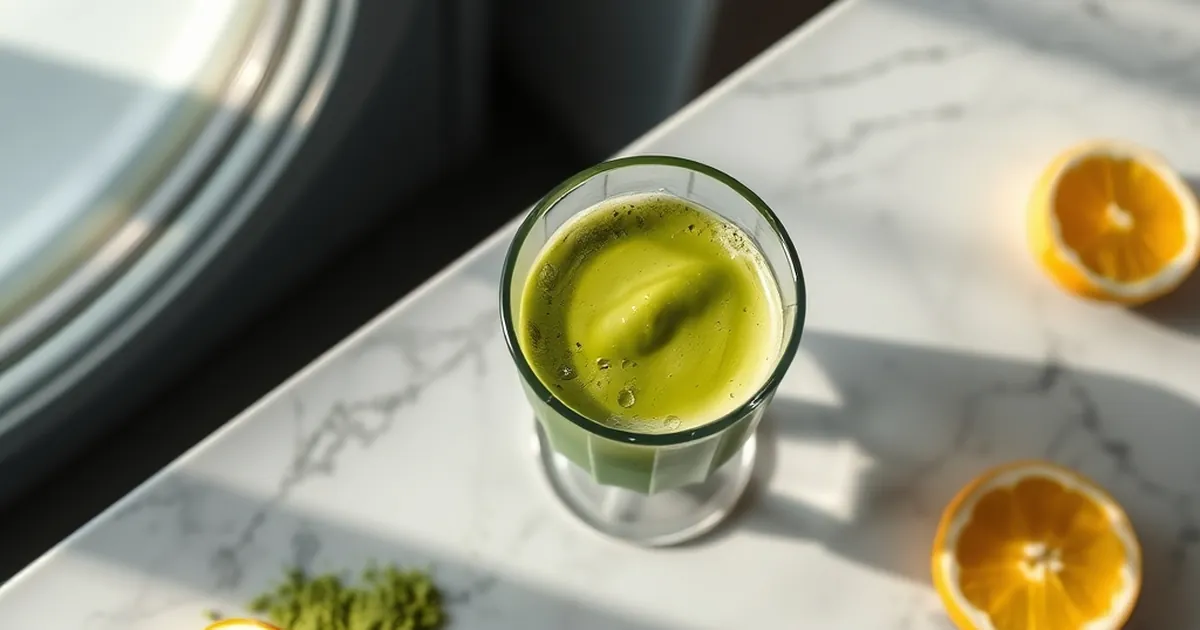
You've probably done it: whisked up a matcha latte, taken one sip, and felt that flat, grassy disappointment. The color looks right, but the flavor tastes like wet hay with a whisper of sweetness. So you reach for a lemon or an orange, wondering if a little citrus will snap that dull cup back to life.
The short answer is yes — but not for the reason most people think, and there's a right way to do it.
Why Dull Matcha Happens in the First Place
Before you fix the cup, it helps to know what went wrong. Matcha goes flat for a few predictable reasons.
Oxidation and stale powder
Matcha is ground green tea, and like any ground spice, it starts losing its volatile aromatics the moment air hits it. A tin that's been open for two months will taste noticeably dimmer than a fresh one. If your matcha smells like dusty hay rather than sweet grass, that's oxidation talking.
Water that's too hot
Pour boiling water on matcha and you scorch the delicate catechins and amino acids that give it sweetness and umami. The result is bitterness without the round, savory backbone that balances it. Around 160–175°F is the sweet spot.
Under-whisking
Clumps of dry powder don't release flavor evenly. If you're stirring with a spoon instead of whisking with a chasen or a milk frother, you're leaving half the flavor trapped in little green pebbles at the bottom.
What Citrus Actually Does to Matcha
Here's the part that surprises people: citrus doesn't "wake up" matcha by adding energy or caffeine. It works on your palate.
Acid cuts through fat and bitterness
Milk fat coats your tongue and mutes delicate flavors. A squeeze of lemon or a splash of orange juice adds acid, which slices through that coating and makes the grassy notes pop back into focus. Think of it like squeezing lime over a rich taco — the acid doesn't change the meat, it changes how you taste it.
The aroma lift
Citrus zest carries oils that hit your nose before the liquid even reaches your tongue. Since most of what we call "taste" is actually smell, a little zest can make a mediocre latte seem noticeably brighter.
One caution about heat and acid
Don't dump lemon juice into a hot latte and let it sit. Acid plus heat plus time can turn the drink muddy and slightly metallic. Add citrus at the end, right before drinking.
How I Actually Do It
Last spring I bought a cheap matcha at a local Asian grocery, and the first latte I made tasted like lawn clippings. I tried adding honey — didn't help. Then I zested about a quarter of a lime into the milk before frothing it, and the difference was immediate. Same powder, completely different cup.
A few guidelines that have worked for me:
- Use zest, not just juice. The oils do more work than the acid alone.
- Go small. A quarter teaspoon of zest per cup is plenty. More turns it into a citrus drink with matcha in it.
- Pair wisely. Lime and lemon flatter grassy, vegetal matcha. Orange and grapefruit work better with sweeter, ceremonial-grade powder.
- Fix the basics first. Fresh powder, cooler water, and a real whisk solve most dullness before citrus ever enters the picture.
Where to Take This Next
Try a side-by-side test this week: make two identical matcha lattes, add lime zest to one, and taste them back to back. You'll learn more about your own palate in five minutes than from any blog post — including this one. Once you know how acid shifts your matcha, you can start playing with grapefruit in summer, blood orange in winter, and maybe a little yuzu when you're feeling ambitious.