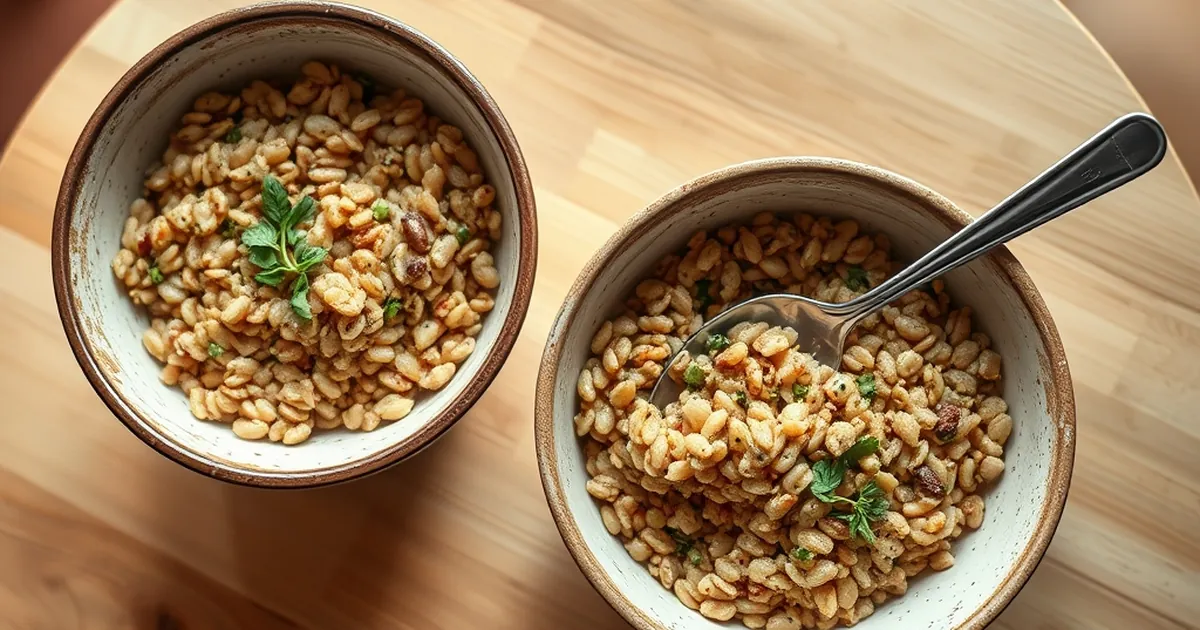
We've all done it: ordered the same grain bowl at two different cafés and sworn one tasted better. But what if the difference wasn't in the tahini at all? What if it was in the first thirty seconds — the lighting, the menu description, the person who handed it to you? That's the question behind what I've started calling first bite bias, and the numbers are more interesting than the food.
The 12% Gap Between Identical Bowls
Researchers have run this experiment in various forms for decades, and the pattern holds: when diners believe a dish is more expensive, more ethically sourced, or made by a named chef, they rate it higher — often by double digits — even when the food is identical. The mechanism isn't dishonesty. Expectation literally changes perception. The brain fills in flavor detail based on what it predicted it would taste like.
Behavioral economists call this expectation-based bias, and it shows up everywhere from wine (people rate the same pour higher when told it's expensive) to orange juice (kids prefer the brand with the cartoon). In café settings, the levers are everywhere: menu language, plating, the story behind the ingredients, even the music.
Why Your Brain Rewards the Story
Here's where it gets interesting for anyone who cares about healthy eating. A bowl of roasted vegetables and farro is, objectively, not a dopamine event for most people raised on processed food. But wrap it in a story — "the farmer who grows this kale is forty minutes away" — and the brain gets something to latch onto. Anticipation does real work. It releases dopamine before the first bite, and that pre-taste reward shapes how the whole meal registers.
This is a cousin of variable-ratio reinforcement, the pattern where unpredictable rewards keep behavior going. Cafés accidentally tap into it with rotating specials, seasonal menus, and "chef's pick" labels. The unpredictability isn't a gimmick — it's the reason a regular lunch habit stays interesting.
The Loss Aversion Problem with Healthy Menus
There's a flip side, and it's a real problem for cafés trying to sell vegetables. Kahneman and Tversky's loss aversion research showed that people feel losses roughly twice as intensely as equivalent gains. On a menu, that translates to diners avoiding a dish they might not like rather than trying one they might love. A kale salad sounds like a risk. A burger sounds like a sure thing.
Smart cafés counter this by reducing perceived risk: half-portions, "try it" samples, descriptions that name familiar flavors ("crispy, garlicky, a little lemony") instead of unfamiliar ingredients. The goal isn't to trick anyone — it's to lower the stakes enough that curiosity wins.
What This Means for the Next Bowl You Order
So what do you do with this? Two things.
First, notice your own first-bite bias. If you loved a dish at a restaurant with great ambiance, try it again at home before you decide it's your new favorite. Sometimes it is. Sometimes you were rating the lighting.
Second, if you run a café or cook for people who "don't like healthy food," stop treating flavor as the only variable. The story, the presentation, the sense of safety — they're all part of the meal. A bowl of lentils doesn't need to be dressed up as something it isn't, but it does need a reason for someone to take the first bite. Give them one, and the twelve percent takes care of itself.