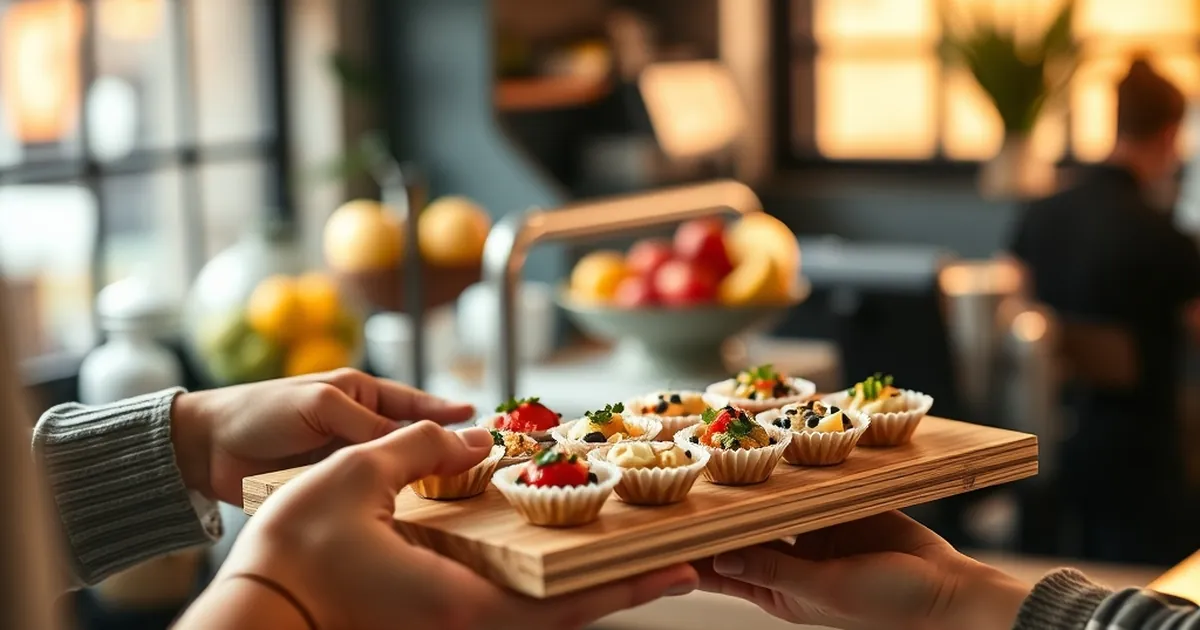
A café near me started handing out thimble-sized cups of cold brew on Friday afternoons. For about six weeks, their afternoon traffic tripled. Then it settled back down—not to where it started, but to a level roughly three times higher than before the samples began. That pattern, a spike that doesn't fully recede, is one of the more interesting puzzles in consumer behavior. Why does a free taste produce a permanent change in someone's routine rather than a temporary bump?
The Spike Is Real, and It's Bigger Than You'd Guess
Field data from food retail consistently shows trial offers pulling repeat purchase rates up sharply in the weeks after a sampling event. A widely cited analysis of in-store sampling programs found repeat purchase rates roughly three times higher among samplers than non-samplers over the following months. That's not a rounding error—it's a regime change in behavior.
The tempting explanation is that people liked the product. But liking is cheap. Most of us like plenty of things we never buy again.
Why the Effect Sticks: Friction, Memory, and the First Purchase
The more useful explanation has three parts.
Friction removal. A sample eliminates the two costs that block most first purchases: money and uncertainty. You don't have to guess whether the oat milk latte is worth $5.50, because you've already settled the question with your mouth.
Episodic memory. Behavioral research on "endowed progress" and on implementation intentions suggests that a concrete, physically experienced first encounter creates a stronger memory trace than an advertisement. You remember where you were standing when you tasted it. That memory becomes a retrieval cue the next time you're nearby and hungry.
The first paid purchase is the real threshold. The sample gets you to buy once; the habit loop does the rest.
Habit Takes Over—and Habit Doesn't Care About the Sample
Once someone buys a second and third time, the behavior starts migrating from deliberate choice to cue-driven routine. This is where the psychology gets genuinely interesting.
Charles Duhigg's popular framing—cue, routine, reward—maps cleanly onto café behavior: the walk past the shop at 3 p.m., the order, the caffeine and the small pleasure of the ritual. After enough repetitions, the decision stops being a decision. You're not evaluating the café anymore; you're just going.
That's why the effect outlasts the promotion. The sample only had to win three or four decisions. Habit handles the rest, essentially for free.
What the Reward Structure Actually Looks Like
Here's where I'd push back on the variable-reward narrative that gets applied to everything these days. Variable-ratio reinforcement—the unpredictable payoff schedule that makes behavior so persistent—does explain a lot of compulsive consumer behavior. But a good café doesn't need it. A consistent, reliable reward is a better foundation for a daily habit than a lottery.
Loss aversion matters more than most cafés realize. Once someone has a standing order, switching isn't a neutral act—it feels like giving something up. Kahneman and Tversky's work on loss framing suggests the status quo carries weight precisely because abandoning it registers as a loss. A café with a loyal 3 p.m. crowd is benefiting from that asymmetry.
Where This Points Next
If you run a food business, the implication is to sample the thing you want to become someone's default, not your most impressive item—the one that fits into an existing daily rhythm. And measure at eight weeks, not two.
If you're the customer, the useful move is noticing the moment a choice becomes a reflex. That's not a warning; it's just information. The sample didn't make you a regular. The third visit did.