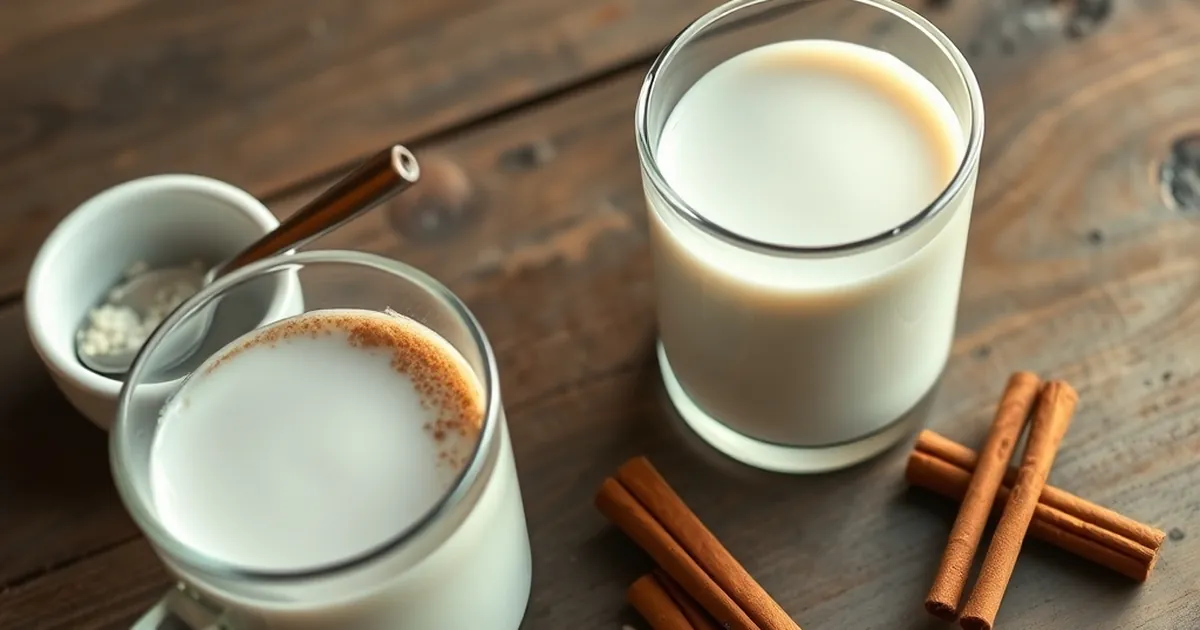
I was standing in my own café kitchen last week, staring at a barista’s masterpiece: a perfectly frothed oat milk latte with latte art that belonged in a museum. I took a sip, and it hit me—flat, bitter, and strangely hollow. The oat milk was doing all the heavy lifting, but it was missing the one thing that makes it sing: a touch of sweetness.
We treat oat milk like it’s a blank canvas, but it’s not. It’s more like a shy singer that needs a little backing track. Sugar doesn’t mask oat milk’s flavor; it completes it. And honestly, it’s the same reason we sprinkle cinnamon on coffee—not because the coffee is bad, but because the pairing reveals something better.
Why Oat Milk Craves a Little Sugar
Oats are naturally starchy and mellow, but they lack the inherent sweetness of dairy milk (which contains lactose, a natural sugar). When you steam oat milk, those starches break down into sugars, but rarely enough to balance the earthy, oaty notes. Without a nudge, you’re left with a beverage that tastes like wet cardboard in a fancy cup.
This isn’t about dumping sugar by the spoonful. It’s about the perception of sweetness. A single teaspoon of simple syrup or a splash of vanilla syrup changes the entire mouthfeel. Suddenly, the oat milk tastes creamier, rounder, and more indulgent—not because you added fat, but because your palate registers that hint of sugar as richness.
The Science of the "Sweet Spot"
Here’s a fun fact: our taste buds register sweetness first. When you add a tiny amount of sugar to a bitter or starchy drink, it doesn’t just make it sweet—it actually suppresses the bitter compounds. That’s why a pinch of sugar in tomato sauce works, and why a little maple syrup in your oat milk latte transforms it from “meh” to “mmm.”
The Cinnamon Connection: A Lesson in Pairing
Think about why cinnamon works on coffee. It’s not because coffee needs to taste like a cinnamon roll. It’s because cinnamon’s warmth and slight spice provide a counterpoint to coffee’s acidity and bitterness. The two flavors amplify each other, creating a third, more complex experience.
Oat milk and sugar work the same way. The natural maltiness of oats pairs beautifully with brown sugar, date syrup, or even a hint of honey. That pairing doesn’t mask the oat flavor—it elevates it. I learned this the hard way when a customer asked for a “sugar-free” oat milk latte and then complained it tasted like “soup.” She wasn’t wrong.
A Quick Anecdote from the Counter
Last month, a regular named Dave ordered his usual oat milk flat white, no sweetener. He took one sip, frowned, and asked for a spoon. He stirred in half a packet of raw sugar, tried again, and his whole face relaxed. “Oh,” he said, “that’s what this is supposed to taste like.” Dave wasn’t a sugar fiend—he just needed that tiny bridge between the oat and the espresso.
How to Sweeten Without Overdoing It
You don’t need to turn your oat milk drink into a dessert. Here’s what works in our café:
- Use a flavored syrup (vanilla, brown sugar, or cardamom) – Just 1-2 pumps (about 10-15 ml) is enough.
- Try date syrup or maple syrup – These bring their own caramel notes that match oat’s nuttiness.
- Add a pinch of salt – Wait, yes, salt. A tiny pinch of sea salt reduces bitterness and makes the natural sugars pop without adding any sweetness at all.
If you’re making oat milk at home, consider adding a date or a teaspoon of maple syrup while blending. You’ll get a base that doesn’t need any help later.
The Takeaway: Don’t Fight the Grain
Here’s my forward-looking thought for you: stop treating oat milk like a health martyr. It’s not a punishment drink. It’s an ingredient. And every ingredient deserves a little seasoning.
Next time you order an oat milk latte, ask for a splash of vanilla or a single raw sugar packet. Try it once. If you hate it, you’ve lost nothing but a few calories. But if you love it—and I think you will—you’ll never go back to that flat, hollow version again. Your coffee already gets cinnamon; your oat milk deserves the same respect.