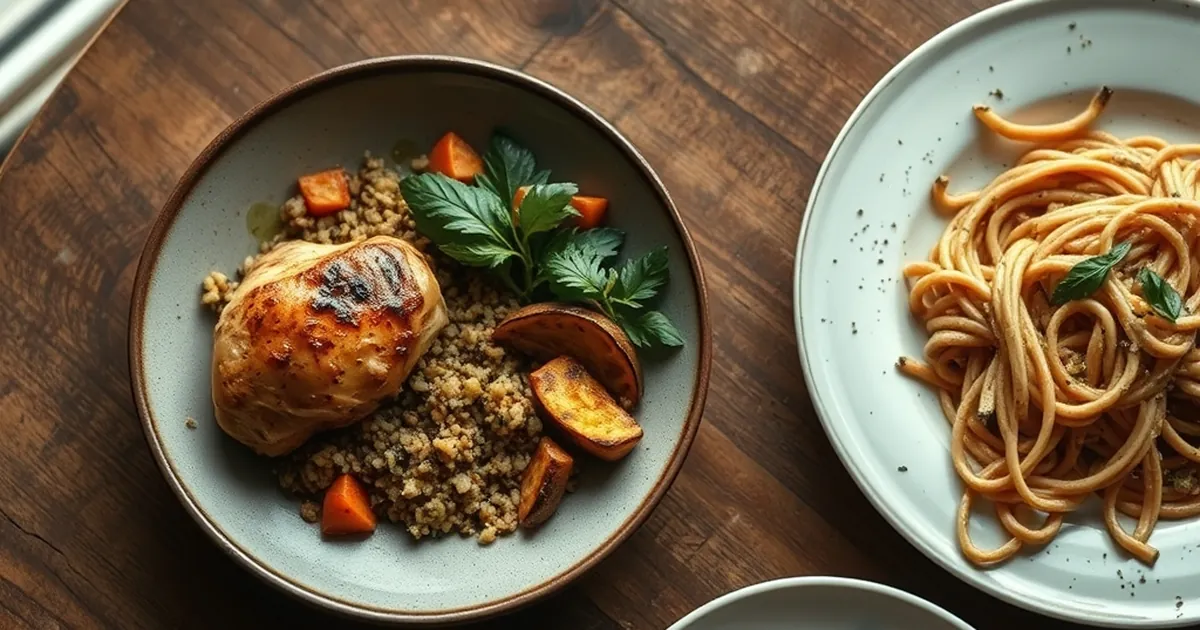
Two cafés open on the same block. One leads with grain bowls, pastries, and a rotating slate of sweet lattes. The other puts eggs, chicken, cottage cheese, and lentil-heavy plates at the top of the menu. Six months in, the protein-forward shop is seeing roughly twice the repeat visit rate. That gap is worth taking seriously — not because protein is magic, but because of what it does to the decision a customer makes at 12:15 on a Tuesday.
The Full-Then-Energized Feeling Is the Product
Most café loyalty is built on a promise that doesn't hold. A muffin and a large oat latte feel like lunch, then an hour later the customer is foggy, hungry again, and quietly blaming the place. Behavioral economists call this a peak-end problem: we remember an experience by its most intense moment and how it ended. A carb-heavy lunch that ends in a 3 p.m. energy crash gets filed under "that place makes me tired," even if the sandwich was good.
Protein-first menus change the ending. A plate with 30 grams of protein and decent fiber tends to produce a flatter post-meal curve — steadier energy, less urgent snacking. The customer doesn't consciously credit the café. They just notice they feel fine, and the place stays on the mental shortlist.
Reward Loops Are Built on Reliability, Not Surprise
There's a common assumption that repeat visits come from novelty — the special, the seasonal item, the thing you can't get elsewhere. Variable-ratio reinforcement, the classic finding from B.F. Skinner's work, does drive persistent behavior when rewards arrive unpredictably. But that's a mechanism for compulsion, and it's a poor fit for lunch.
What actually drives a second and third visit is a predictable reward: I order this, I feel good, I come back. Skinner's own research distinguished between reinforcement schedules that produce high response rates and those that produce durable, stable patterns. Cafés want the second kind. Protein-forward menus deliver a consistent outcome, and consistency is what turns a first-time customer into a habit.
Loss Aversion Explains the Menu Position
Kahneman and Tversky's loss aversion work showed that losses loom roughly twice as large as equivalent gains. Applied to a lunch menu, this means customers are more motivated to avoid the 3 p.m. crash than to achieve a marginally better meal. A protein-first layout — eggs and chicken at the top, pastries pushed to a side case — reads as the safe choice.
There's a concrete example worth knowing: when Sodexo tested protein-forward labeling and placement across university dining halls, plant-based and protein-rich entrées placed prominently saw meaningful lifts in selection without any price change. The food didn't change. The order did. Menu architecture is a decision-making intervention, and it's cheaper than any ad campaign.
Risk-Taking on the Menu
There's a competitive-play angle here too. Chefs like to take risks — the fermented thing, the unexpected pairing. That instinct is good for a tasting menu and bad for a weekday lunch. Regulars aren't gambling on their midday meal; they're hedging. The smart move is to keep the core protein plates boringly consistent and let the specials board carry the experimentation. Give the risk-takers their corner without making everyone else roll the dice.
What to Do With This
If you run a café, look at your top five sellers and ask how many end in a crash. Then look at where your highest-protein item sits — physically, on the board, in the app. Move it to the first thing a customer reads. Add a protein figure to the description; numbers anchor decisions more than adjectives do.
If you're a customer, the takeaway is simpler. Notice which lunches you regret and which you forget, and let that pattern — not the photo on the menu — pick your next stop.