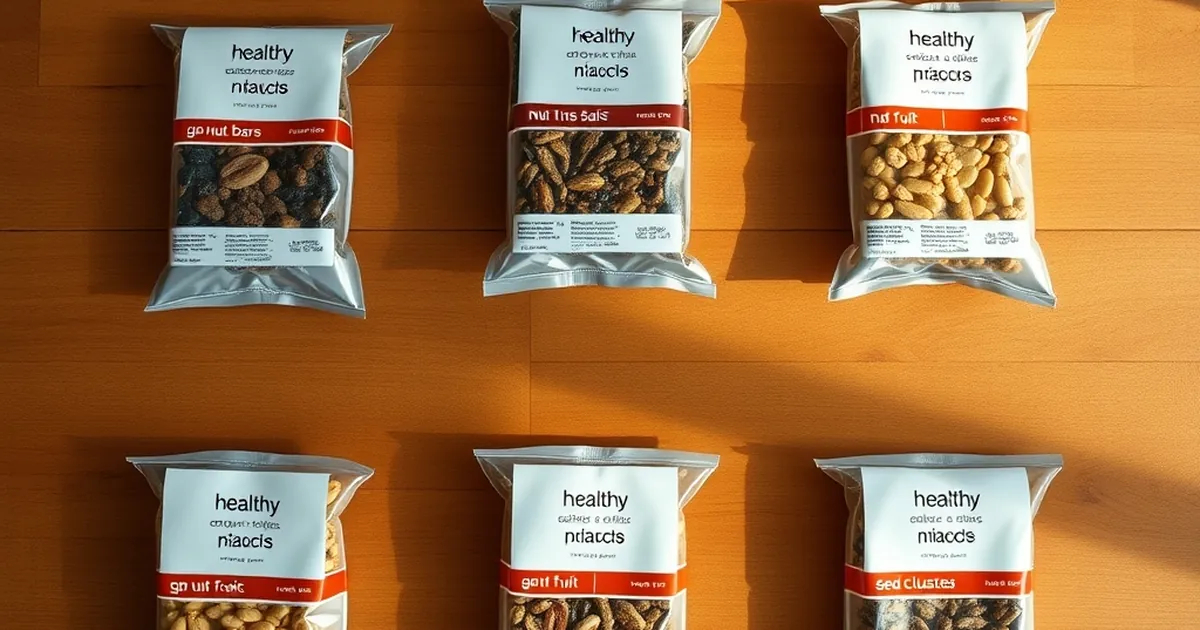
Six choices on a shelf instead of twenty-four, and impulse purchases go up nineteen percent. If that number surprises you, you're not alone — most café operators assume variety sells. But the snack aisle result points at something deeper about how people decide, and it's worth pulling apart because the same mechanics shape how customers choose a pastry, a bottled drink, or a grab-and-go lunch.
The Paradox of Plenty at the Counter
The classic reference here is Iyengar and Lepper's 2000 jam study: a tasting table with 24 varieties drew more browsers than one with 6, but the smaller table converted far more buyers — roughly 30 percent versus 3 percent. More options attract attention and then paralyze it. Researchers call the cost choice overload; your customers just feel a low-grade friction they can't name.
Cafés live inside this tension. A pastry case with eighteen items looks abundant and generous. It also forces a mini decision tree — sweet or savory, flaky or dense, coffee cake or scone — at 8:15 a.m. when nobody has the bandwidth. Cutting to six strong SKUs doesn't shrink the experience; it removes the tax.
What's Actually Happening in the Buyer's Head
Variable-ratio reinforcement
Behavioral psychology's most durable finding is that unpredictable rewards drive persistent behavior — the variable-ratio schedule Skinner documented in the 1950s. A rotating "chef's pick" slot in a six-item case creates a small, honest version of this: regulars come back to see what's there. The key word is honest. This is delight, not manipulation, and it only works if the item is genuinely good.
Loss aversion and the default
Kahneman and Tversky showed losses loom larger than equivalent gains. A menu of six means every item is a "safe" pick; a menu of eighteen means fourteen items you're not choosing, which reads faintly as loss. Fewer options make the default feel confident rather than compromised.
Decision fatigue is real and cumulative
By mid-morning, a customer has already made dozens of micro-decisions. The snack aisle data and the jam study both suggest the same remedy: pre-commit on the customer's behalf. Curating is a service, not a restriction.
The Counterintuitive Part: Impulse Needs a Stage
Here's the piece most operators miss. Impulse buying isn't random — it's triggered by visibility, proximity, and low cognitive cost. A tight six-SKU case lets you merchandise deliberately: the impulse item sits at eye level, priced clearly, with a two-word description. Twenty-four items compete for that same attention and mostly lose.
The 19 percent lift isn't magic from scarcity. It's what happens when every slot earns its place and the customer's decision takes two seconds instead of twenty.
What to Do With This
Start with an honest audit: which six items would survive if you could only keep six? Track sell-through for a month, then rotate one slot deliberately — a seasonal item, a test bake, a collaboration with a local producer. Watch whether your regulars start asking what's new. That question is your signal.
The forward-looking move is treating the case as an editorial product, not inventory. Six well-chosen items, one rotating slot, clear signage, and staff who can describe each one in a sentence. The psychology does the rest — and your food cost gets simpler along the way.