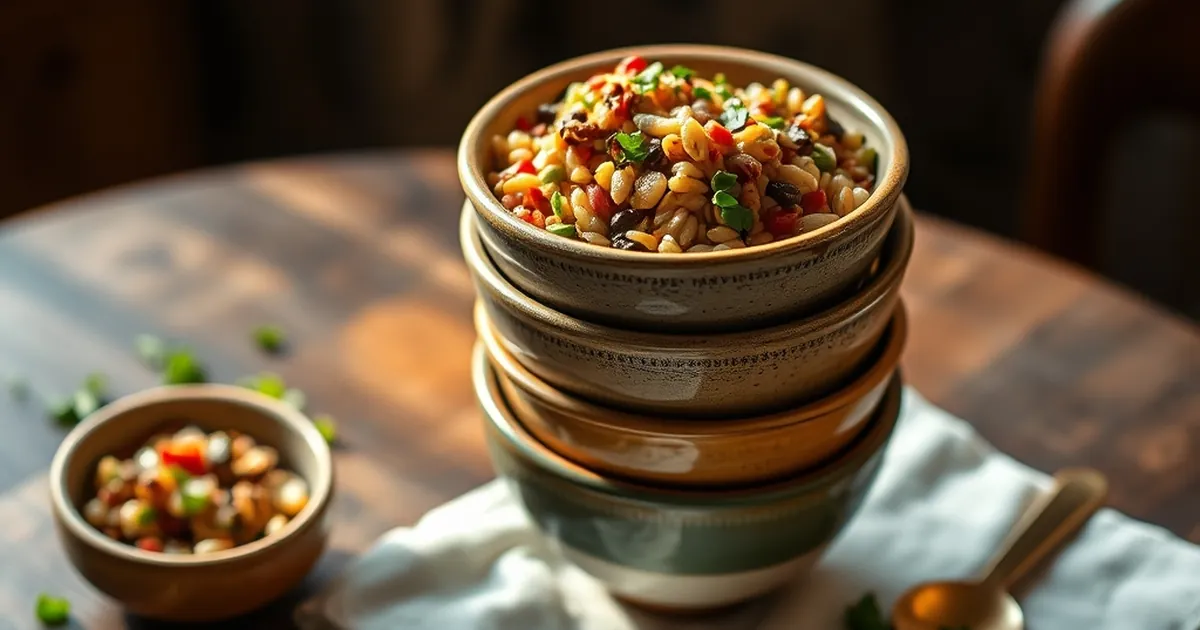
Why does the third bite of a really good sandwich taste better than the first? And why does the fifteenth taste like nothing at all? If you've ever wondered why a café's signature dish can feel transcendent on Tuesday and merely fine by Friday, the answer sits somewhere between behavioral psychology and the way your brain budgets attention.
The Peak Isn't Where You Think It Is
Most of us assume pleasure scales with quantity — more bites, more enjoyment. The research says otherwise. In taste-testing studies, subjects consistently rate the middle of a pleasant experience higher than either the beginning or the end. The first bite is busy: your brain is calibrating temperature, texture, salt, acid. By bite three, that calibration is done, and the reward signal gets to run clean. Then adaptation kicks in. Sensory-specific satiety — a term researchers use to describe how liking for a specific food drops as you consume it — starts dimming the lights.
So there's a narrow window, roughly bites two through four, where novelty and familiarity are balanced. That's the peak. Everything after is maintenance.
Variable Rewards and the Café Menu
B.F. Skinner's work on variable-ratio reinforcement is usually invoked to explain why unpredictable rewards are stickier than predictable ones. A slot machine pays out on an unpredictable schedule, so the behavior persists. But the same principle shows up in far gentler places — like a café that rotates its pastry case.
If your neighborhood spot always has the same almond croissant, you'll buy it, enjoy it, and move on. If some mornings there's a cardamom bun instead, you'll start checking. Not because the bun is better, but because the uncertainty of whether it's there adds a small anticipatory charge. That charge is dopamine doing its job — not pleasure, but prediction. Dopamine spikes hardest when a reward is likely but not guaranteed.
Here's the twist: once you've checked the pastry case forty times, the checking becomes automatic. You're not excited anymore. You're just a person who looks at the pastry case. The variable reward did its work, then handed the reins to habit.
Bite Three as a Design Problem
This is where café owners and home cooks can actually do something useful. If the peak of enjoyment is early, then the job isn't to make the whole sandwich better — it's to make bites one through four count, and to keep the rest from becoming wallpaper.
A few things that work:
- Contrast within a dish. A crunch that shows up in the middle, not just the top. A sauce pocket. Something that interrupts adaptation before it flattens everything.
- Portion honesty. A smaller plate that peaks and ends beats a larger one that peaks and then drones on. Kahneman's work on duration neglect suggests we remember the peak and the end, not the average. A shorter experience with a strong finish beats a longer one that fades.
- Rotating the variable. If you eat at the same café daily, order the thing you don't usually order once a week. You're manually reintroducing the uncertainty your brain stopped generating on its own.
What to Do With This Tomorrow
Next time you're at lunch, pay attention to bite three. Notice if it's the best one. Then notice what happens around bite ten — the point where you're eating out of momentum rather than appetite. That moment is information. It tells you whether you're still choosing the food or whether the food has started choosing for you.
The forward-looking move is simple: treat the first four bites as the whole experience, and design the rest to get out of the way. Order smaller. Cook with one deliberate surprise in the middle. And if a café's menu never changes, that's not stability — that's a habit loop that stopped paying rent.