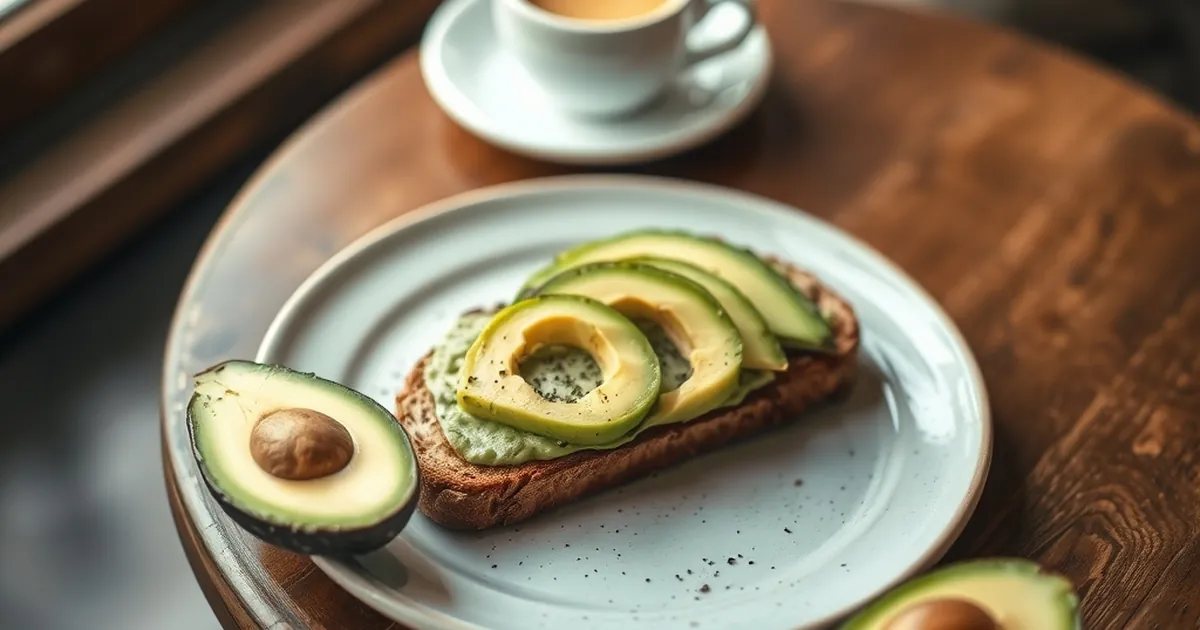
You walk into any café from Portland to Brooklyn, and there it is: the avocado toast, perched on a plate like a green crown. But have you ever stopped to wonder if that vibrant mash is actually telling you the truth about the fruit’s ripeness? A café’s avocado toast isn’t just a menu item—it’s a silent confession of how seriously they take their sourcing, storage, and prep.
The next time you order it, look closely. That toast is a ripeness report card, and I’m here to help you read it.
The Color Code: Green vs. Brown
The first thing you’ll notice is the hue, and it’s the most obvious giveaway. A perfectly ripe avocado has a bright, grassy green color that looks almost alive. If your toast arrives with a murky, olive-brown tint, the fruit was likely overripe or oxidized from sitting out too long.
Here’s the kicker: many cafés deliberately add a squeeze of lemon or lime to mask that browning. That’s not inherently bad—it’s a classic trick to buy a few extra minutes. But if the mash is brown and tastes sour, you’re eating yesterday’s prep. A top-tier café will mash avocados to order, keeping that color vivid and the flavor clean.
Texture Tells the Real Story
Color is the headline, but texture is the investigative journalism. Run your fork through the toast. Does it hold a rustic, chunky consistency, or is it a sad, watery paste?
A ripe avocado mashes into creamy, soft chunks that cling to the bread. If it’s stringy or slick, you’re dealing with an underripe fruit that was forced into submission. Overripe avocados, on the other hand, turn into a slimy puree that slides off the toast like a bad decision. The ideal bite should feel substantial—not gritty, not gelatinous.
The "Smash" Test
Here’s a quick anecdote from my own café-hopping days. I once ordered avocado toast at a trendy spot in Austin, and the server proudly said, “We smash it fresh daily.” But when it arrived, the mash was so smooth it looked like guacamole from a squeeze tube. I asked the barista about it, and she admitted they blend it in a food processor to speed up morning rush. That’s a red flag—blending aerates the avocado, turning it bitter and gluey. Real ripeness shows up in the hand-mashed, imperfect lumps.
The Bread and Topping Giveaway
Don’t just stare at the green—inspect the entire plate. A café that understands ripeness will build the toast to complement it, not hide it. Look for thick-cut, sturdy sourdough or whole grain that can hold the weight without getting soggy. If the bread is flimsy and the avocado is sliding off, the café is prioritizing speed over structure.
Toppings are the final clue. A light dusting of flaky salt, chili flakes, or a drizzle of olive oil suggests the chef tasted the avocado and knew it needed a lift. But if the toast is drowning in feta, tomatoes, or hot sauce, ask yourself why. Heavy toppings are often a cover-up for bland, underripe fruit that lacks natural flavor. A confident café lets the avocado shine with minimal interference.
What You Should Actually Do
So, you’ve decoded the signals—now what? Start by ordering your avocado toast without modifications at a new café. Taste it plain first, then add your own salt or pepper. That little experiment tells you more about the kitchen’s standards than any Yelp review.
And if you’re making this at home, take the lesson: never buy rock-hard avocados for tomorrow’s breakfast. Plan ahead, ripen them on the counter, and mash them by hand. The cafés that get it right aren’t using magic—they’re just respecting the fruit’s timeline. Your taste buds will thank you, and so will your morning.