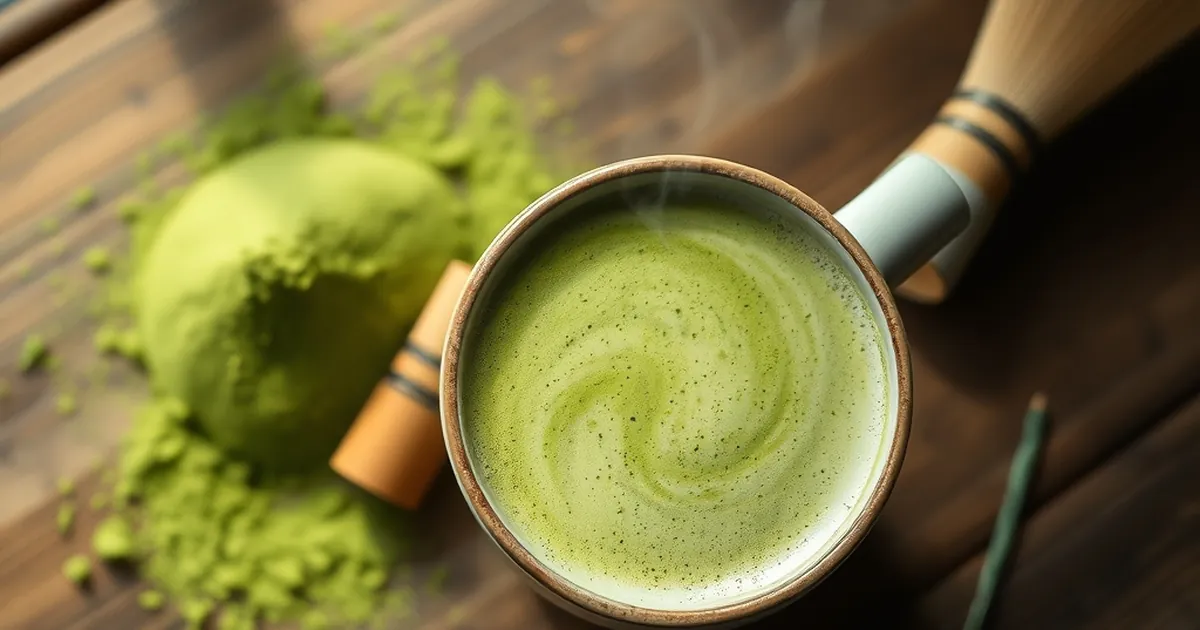
You know that moment. You’re at your favorite café, you order a ceremonial-grade matcha latte, and you take that first hopeful sip—only to get a mouthful of bitter, vegetal lawn clippings. It’s the most disappointing sip in the coffee shop universe, and it happens way too often.
Here’s the kicker: your matcha probably isn’t bad. In fact, you might be drinking a high-quality powder that’s being treated like instant coffee. The difference between a creamy, sweet, umami-rich latte and a mug of swamp water comes down to three fixable mistakes: temperature, whisking, and ratios.
The Real Culprit: Water That’s Too Hot
Let’s start with the most common offender. Most people brew matcha like they brew black tea, using boiling water straight from the kettle. That’s a flavor catastrophe. Water at 212°F literally scorches the delicate amino acids (L-theanine) in matcha, releasing bitter tannins and that harsh, grassy bite.
The sweet spot is 160°F to 175°F—just below a simmer. If you don’t have a thermometer, boil water, let it sit for a full minute, and you’re in the right zone. I keep a cheap instant-read thermometer next to my kettle at home; it costs less than a single café latte and saves every cup.
The Fix: How to Build a Balanced Latte
Once your water temperature is dialed in, the rest is technique. It’s not just about dumping powder and milk into a mug. You need to build the layers properly.
Step 1: Sift, Don’t Dump
Matcha clumps like crazy—it’s a fine powder with a static charge. If you skip sifting, you’ll get chalky lumps that never dissolve, and those lumps taste intensely bitter. Use a small mesh strainer and push the powder through with a spoon before adding any liquid. It takes ten seconds and changes everything.
Step 2: Whisk in the Right Shape
You need a bamboo chasen (whisk) or a small electric milk frother. A regular spoon won’t cut it. Start with just 2 ounces of your 165°F water and whisk in a quick “W” or zigzag motion for about 20 seconds until you see a thick, creamy foam on top. This aerates the powder and brings out the natural sweetness.
Step 3: The Ratio That Works
Here’s where most recipes fail: they use too little matcha for the milk volume. For a standard 12-ounce latte, use 1.5 to 2 teaspoons (about 2 to 3 grams) of matcha. Less than that, and the milk overpowers the tea, leaving only a faint bitter aftertaste. More than that, and you’re drinking a shot of straight grass.
Why Milk Choice Matters More Than You Think
Your milk isn’t just a mixer; it’s a flavor partner. Oat milk is the crowd favorite because its natural sweetness balances matcha’s earthiness. Whole dairy milk works beautifully too. But unsweetened almond milk? That’s a recipe for a thin, watery, and vegetal cup—it has no fat or sugar to round out the bitterness.
If you’re using a plant-based milk, warm it gently (don’t boil it) and give it a quick shake before pouring. Cold milk will shock the matcha and kill the foam you just worked to create.
My Favorite Quick Anecdote
Last spring, a customer came in and told me she hated matcha—said it tasted like the lawn after a rainstorm. I made her a cup using these exact steps: sifted powder, 165°F water, a 30-second whisk, and oat milk steamed to 150°F. She took one sip and asked if I could teach her how to do it at home. She’s now a weekly regular. The tea wasn’t the problem; the method was.
The Takeaway: You’re One Cup Away
Here’s the forward-looking part: the next time you order a matcha latte, don’t be afraid to ask the barista how hot they’re steaming the milk or whether they sift the powder. Most good shops will happily adjust. And if you’re making it at home, treat your matcha like a delicate green tea, not a coffee concentrate.
Get the temperature right, sift every single time, and whisk like you mean it. You’ll unlock that sweet, grassy-but-creamy balance that makes matcha a daily ritual—not a punishment. Your taste buds will thank you, and you’ll never look at a bag of “lawn clippings” the same way again.