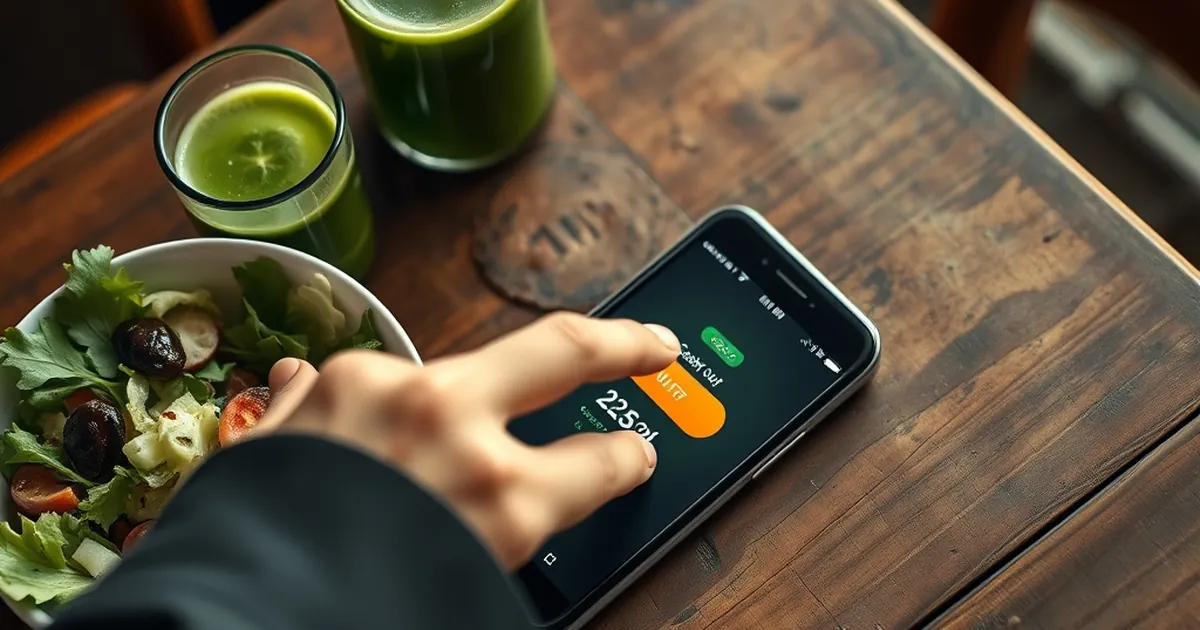
Cash-out is not a free tool that locks in profit. It's a second bet, priced by the sportsbook, and the price is almost always worse than the market. When you hit that button, you're not settling your original wager — you're selling it back at a discount the house sets, then paying a margin on top. The button feels like risk management. It's actually a product the book sells you, and like every product in a casino, it carries an edge.
The math behind the number on your screen
Here's how to see it. Say you bet $100 on a team at +150. Your ticket is now worth $250 if it wins, $0 if it loses. With the game still live, the book offers you a cash-out of, say, $130.
Run the implied probabilities. If the true win chance is 50%, the fair value of that ticket is $125. The book offering $130 would be generous — that basically never happens. More often the offer sits at $95 or $105, meaning the book is quoting your ticket below its fair value and keeping the difference. That gap is the edge, and it's not small. Industry tracking has repeatedly found cash-out quotes running 5% to 15% below fair value depending on the sport, the moment, and how lopsided the live line is.
The book isn't guessing. It's reading the live market, applying its own margin, and subtracting a cash-out fee. You get one number. You can't negotiate it, and you can't see the components.
Why the offer moves against you
Timing is the book's friend
Cash-out values swing hard during a game. When your team scores, the offer jumps. When the opponent scores, it craters. The book widens its margin exactly when you're most emotional — right after a bad break, when you're staring at a shrinking number and want out. That's not a coincidence. It's the same psychology that drives in-play betting, and the house prices for it.
The "guaranteed profit" trap
The classic cash-out pitch is locking in a win. You bet $50, your team goes up early, the book offers $70. You take it and feel smart. But you gave up a ticket worth more than $70 in expected value, and you paid a fee to do it. Do that ten times and the leaks compound. A 7% average haircut on ten cash-outs eats roughly half a unit of profit you'd otherwise have kept.
When cashing out actually makes sense
There are narrow cases. If you need the money now, or your bankroll can't absorb the swing, cashing out is a real option — it's just an expensive one, and you should know you're paying for it. Some bettors use cash-out to hedge a parlay leg that's already gone sideways, which can be rational if the alternative is a total loss on a long shot.
But if you're cashing out because you're nervous, you're not managing risk. You're buying comfort at retail.
The question worth asking
If the book is willing to buy your ticket back, it's because the price works for the book. So the next time your finger hovers over that button, ask yourself: what would this ticket be worth if I just let it ride? If the answer is more than the offer — and it usually is — you already know what the button costs you. The real test is whether you'll keep paying it.