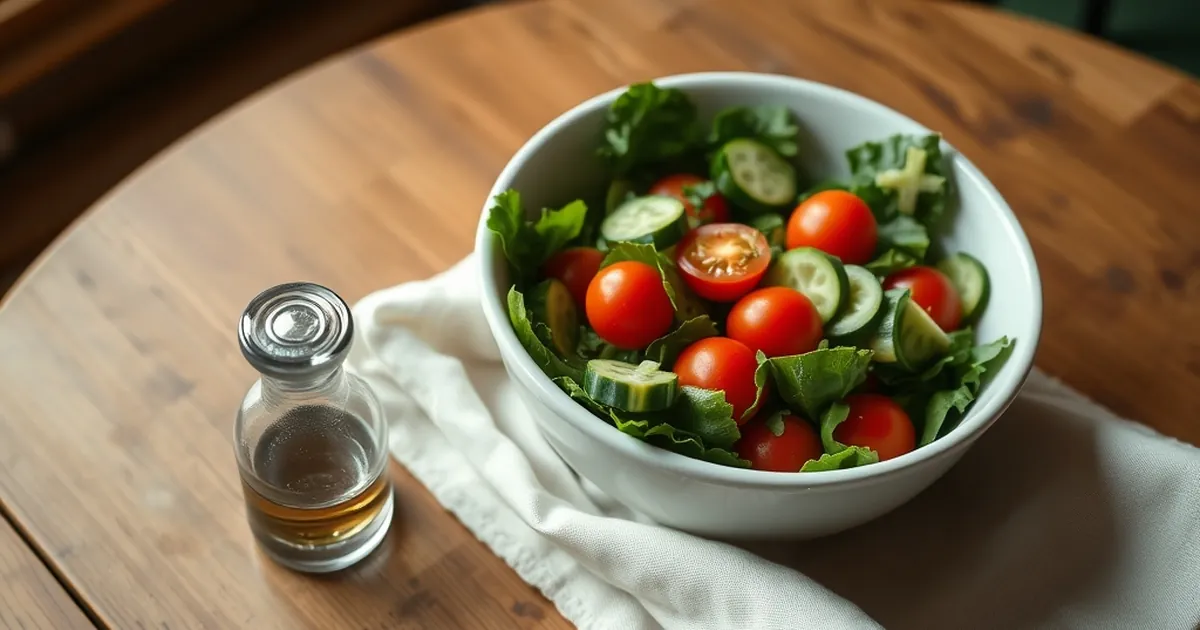
I still remember the first time a customer sent back our house salad because it tasted "flat." She wasn't wrong. We'd been so proud of ourselves for ditching the salt shaker at the prep station, convinced we were doing everyone a favor. But a salad without salt isn't virtuous — it's just sad lettuce. So the real question is: can a healthy café cut sodium without cutting flavor?
Why Salt Became the Bad Guy
For decades, the medical establishment has linked high sodium intake to hypertension, heart disease, and stroke. The FDA's dietary guidelines suggest adults keep sodium under 2,300 milligrams per day — roughly one teaspoon of table salt.
The average American, though, consumes closer to 3,400 milligrams daily. That excess doesn't come from home cooking. It comes from processed foods, restaurant kitchens, and the deli counter.
Cafés sit right in the middle of that problem. We're feeding people who trust us to make the healthier choice, and a heavy hand with the shaker undermines that trust.
The Hidden Sodium in "Healthy" Salads
Here's the uncomfortable truth: salt hides in ingredients we consider wholesome. A handful of feta, a scoop of canned chickpeas, a drizzle of bottled vinaigrette — each one stacks sodium onto the plate.
I once tallied up a "clean eating" kale salad from our menu and found it carried 1,100 milligrams of sodium before a single grain of salt touched it. That's half a day's budget in one bowl.
What We Changed in Our Kitchen
Cutting salt cold turkey backfired. Customers noticed. So we rebuilt our salads around acid, fat, and aromatics instead.
Acid Does the Heavy Lifting
Lemon juice, lime zest, and high-quality vinegars brighten flavors in a way salt can't replicate. A squeeze of fresh citrus over bitter greens makes them taste alive.
We started finishing every salad with a citrus wedge on the side. Regulars began asking for extra.
Fat Carries Flavor
Good olive oil, toasted sesame, and avocado don't just add richness — they help your palate perceive saltiness from whatever sodium is already present. A little fat goes a long way toward making low-salt food feel satisfying.
Herbs and Aromatics Fill the Gap
Fresh dill, basil, scallions, and toasted garlic give the brain complexity. When a salad has layers of flavor, nobody misses the shaker.
The One Thing That Actually Worked
My favorite moment came when a regular named Marcus — a guy who used to ask for extra salt packets — told me he'd stopped craving them. He said the salads tasted "finished" now.
That comment stuck with me. Salt isn't the enemy. Mindless salt is.
Next time you build a salad at home or order one at your favorite café, taste it before you reach for the shaker. You might find the lemon, the olive oil, and the herbs already did the job.