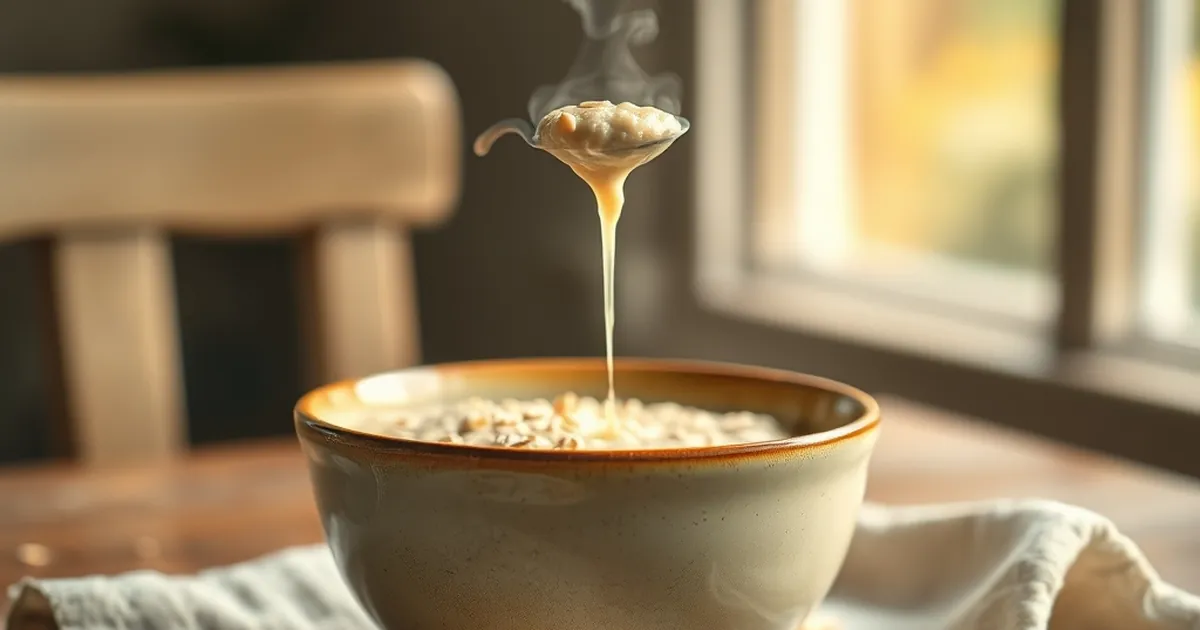
You know that moment. You're three spoonfuls into a café oat bowl, the one you paid $11 for at a sunny counter, and the flavor just… leaves. The first bite was maple and toasted oats and something almost creamy. By bite four you're chewing what tastes like wet cardboard with a hint of cinnamon. So what actually happens between spoon one and spoon three?
Your Taste Buds Aren't Broken — They're Bored
The first bite of anything hits harder because your brain is paying attention. Sensory scientists call it sensory-specific satiety: the more you repeat a taste, the less your brain bothers registering it. It's why the first sip of coffee is the best one.
An oat bowl is unusually vulnerable to this. It's soft, uniform, and mostly one temperature. There's no crunch to reset your palate, no acid to wake it up, no textural surprise halfway through. Every spoonful is essentially the same spoonful, so your brain files it under "handled" fast.
The Sweetness Trap
Cafés sweeten oat bowls more than you'd think. A typical maple-almond butter combo can push 25 to 30 grams of sugar into a bowl that reads as "healthy breakfast." Sugar delivers its pleasure up front and fades quickly, which is exactly why spoon three tastes like a downgrade.
Oats Themselves Are a Flavor Sink
Here's the less obvious culprit: oats are bland by design. They're high in starch and low in the aromatic compounds that make, say, toasted nuts or berries taste like anything. That mildness is a feature — it's why oats work as a base. But it also means the oat itself contributes almost nothing once the toppings are gone.
Then there's the texture problem. Cooked oats and oat milk thicken as they sit. Ten minutes after the bowl is made, you're eating something closer to porridge than the creamy, loose bowl that came out of the kitchen. Thicker means less aroma reaches your nose, and most of what you call "taste" is actually smell.
A Quick Real-Life Test
Last month I ordered an oat bowl at a spot in Portland that I genuinely love. First three bites: fantastic. Bite six: fine. Bite ten: I was eating it out of obligation. I asked the counter person what was in the base, and the answer was "oats, oat milk, a little date syrup, and a pinch of salt." That's it. Delicious for ninety seconds, then structurally doomed.
How to Build a Bowl That Holds Up
The fix isn't more sugar. It's contrast and timing.
Ask for the toppings on the side, or build your own at home and layer as you go. Add something crunchy — toasted pepitas, cacao nibs, granola — and add it in stages so every few bites gets a fresh hit. A squeeze of lemon or a spoon of plain Greek yogurt cuts the sweetness and resets your palate.
Salt matters more than you'd guess. A pinch of flaky salt on top of an oat bowl does more for flavor than another drizzle of syrup ever will. And eat it faster than you think you should; oat bowls genuinely degrade as they sit.
What to Order Next Time
If you love the idea of an oat bowl but keep hitting that flat third spoon, consider it a texture problem more than a recipe problem. Order it with the toppings on the side, or skip the café version and make it at home where you control the crunch-to-cream ratio in real time.
And if you're a café owner reading this? Serve the granola in a little dish. Your regulars will notice, and they'll come back for a bowl that tastes good all the way to the bottom.