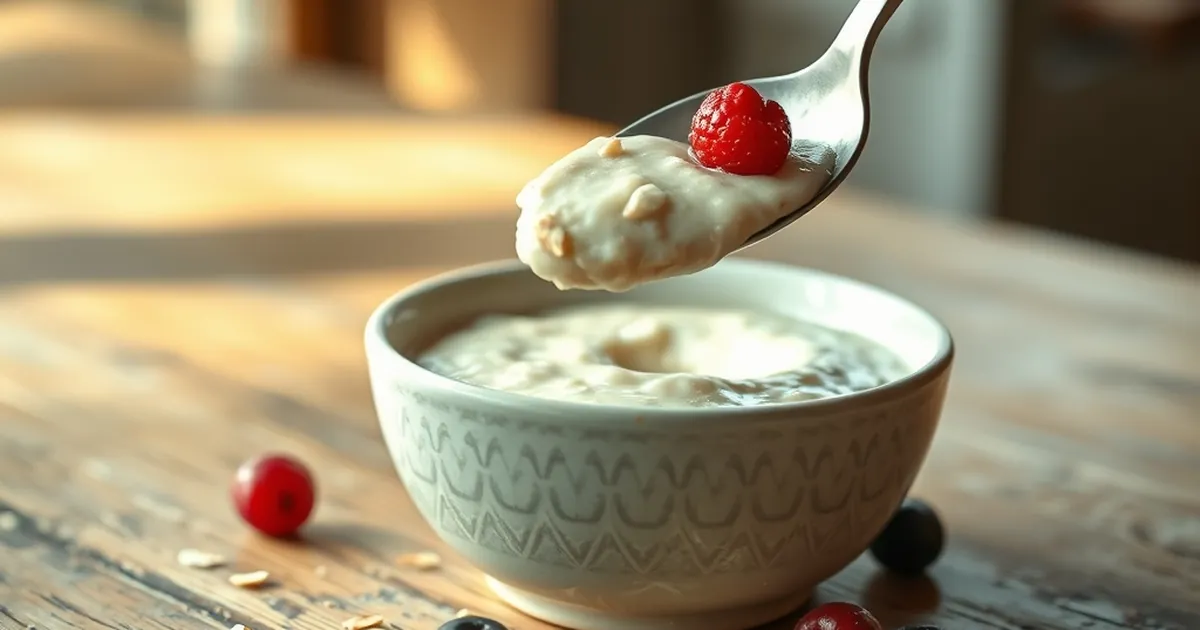
Why does the first bite of a brownie taste like the best thing you've eaten all week, while the fourth bite is just... chewy? Most of us assume flavor is doing the heavy lifting, but our mouths are telling a different story. The real question is what happens between spoonful one and spoonful four — and why texture, not taste, seems to decide when we stop.
The Four-Bite Cliff
There's a familiar arc to eating something rich: delight, pleasure, mild awareness, and then a quiet "okay, I'm done." That's not willpower. It's sensory-specific satiety, a concept researchers have studied since the 1950s. The idea is simple: as you eat a specific food, your enjoyment of that food drops faster than your enjoyment of other foods. You can be stuffed on pasta and still say yes to dessert, because the pasta's reward value has faded while the dessert's is untouched.
What's less discussed is which sensory channel fades first. Flavor compounds — sweet, salty, umami — dull relatively slowly. Texture, on the other hand, seems to wear out its welcome fast. That first spoonful of creamy risotto is a revelation; by the third, the creaminess reads as monotonous rather than luxurious.
Texture Is the Hidden Decision-Maker
Think about why you push away a plate of mac and cheese halfway through. The cheese still tastes good. The problem is that every bite has the same mouthfeel, and your brain has stopped learning anything new from it. Behavioral psychologists call this habituation — the same mechanism that makes a ticking clock disappear from your awareness. It's not that the stimulus is bad. It's that it's predictable.
Flavor variety gets all the credit in healthy-eating advice ("eat the rainbow!"), but texture variety may be the more powerful lever. A salad with crunchy walnuts, crisp cucumber, and soft avocado keeps the mouth guessing. A smoothie with the same ingredients blended flat does not, even though the flavor profile is nearly identical.
What This Looks Like on a Plate
Consider a common café lunch: a turkey sandwich on soft bread with a side of chips. Every element is either soft or shatteringly crisp, and the shatter fades within a few bites. Now imagine the same sandwich deconstructed — toasted bread, shredded carrot, a few pickled onions, a handful of seeds. Same calories, same basic flavors, completely different staying power.
There's a practical study worth knowing here. Researchers at the University of Sussex found that people eat less when a meal contains multiple textures, largely because the eating pace slows and satiety signals catch up. Texture isn't just about pleasure — it's about pacing.
The Reward Loop Nobody Talks About
Variable-ratio reinforcement is the classic finding that unpredictable rewards drive persistent behavior. Food companies exploit this with chips that are sometimes extra salty or extra crunchy. But the flip side is equally useful: predictable texture extinguishes interest fast. If every bite delivers the same mouthfeel, your brain stops paying attention, and you stop eating — or you keep eating mindlessly because the reward has flatlined and you're chasing the memory of bite one.
Where This Goes Next
Next time you build a meal, ask a texture question before a flavor question. Does this dish have something crisp, something creamy, something chewy? If the answer is no, add one. A spoonful of toasted seeds on soup. A handful of cabbage in a grain bowl. A cracker alongside the hummus instead of stirred into it.
Your fourth bite will thank you.